The Staatliche Kunsthalle Karlsruhe is one of Germany’s most important museums and houses a collection spanning eight centuries. Across three locations, it offers a multifaceted journey through art from the Middle Ages to the present day.
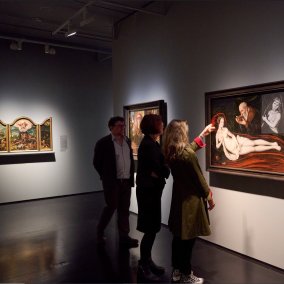
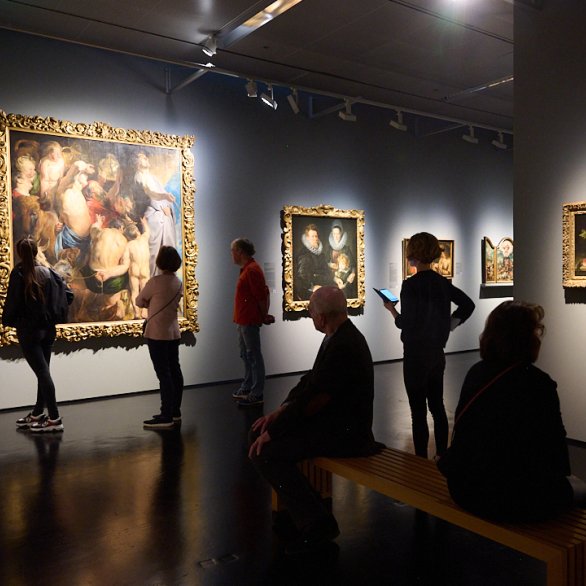
The exhibition "See You. Encounters with the Kunsthalle Karlsruhe" at the ZKM | Center for Art and Media invites visitors on a walk through art history. Around 300 highlights from the museum’s collection are gathered around Lichthof 2 in the Hallenbau, including masterpieces by Matthias Grünewald, Rembrandt van Rijn, Peter Paul Rubens, Henri Matisse and Ernst Ludwig Kirchner.
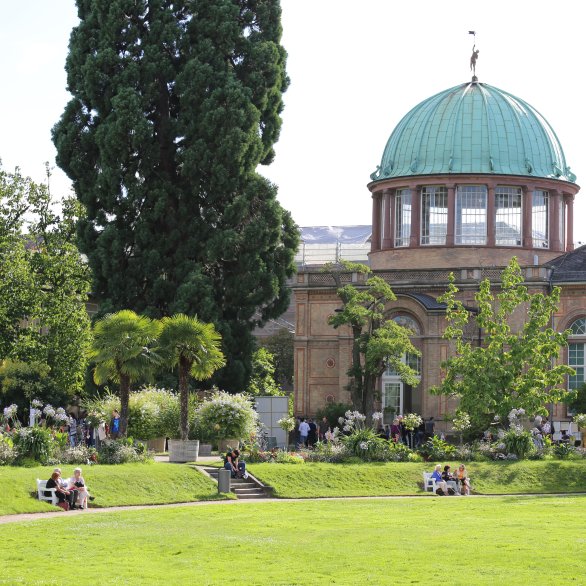
Located in the heart of the city, the Orangerie Karlsruhe presents changing special exhibitions directly adjacent to the Botanical Garden. The former plant hall invites visitors to explore and linger, while a wide range of themes and diverse artistic periods and styles further enrich the exhibition programme.
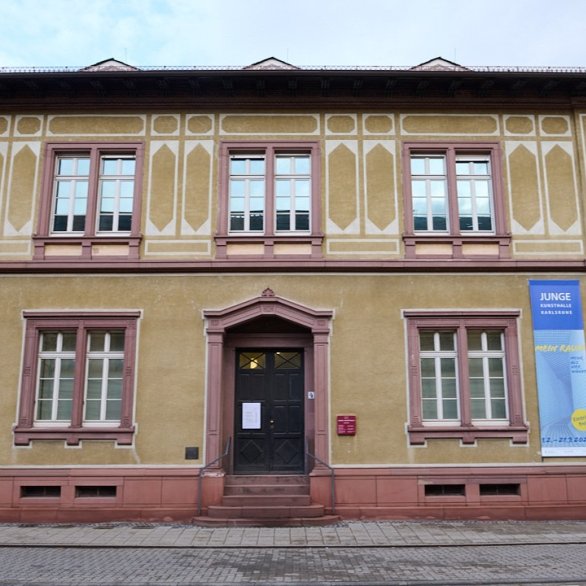
Right next door, the Junge Kunsthalle Karlsruhe captivates children, teenagers and families with age-appropriate, playful and interactive exhibitions, complemented by a broad educational programme.
The exhibition "See You. Encounters with the Kunsthalle Karlsruhe" at the ZKM | Center for Art and Media invites visitors on a walk through art history. Around 300 highlights from the museum’s collection are gathered around Lichthof 2 in the Hallenbau, including masterpieces by Matthias Grünewald, Rembrandt van Rijn, Peter Paul Rubens, Henri Matisse and Ernst Ludwig Kirchner.
Located in the heart of the city, the Orangerie Karlsruhe presents changing special exhibitions directly adjacent to the Botanical Garden. The former plant hall invites visitors to explore and linger, while a wide range of themes and diverse artistic periods and styles further enrich the exhibition programme.
Right next door, the Junge Kunsthalle Karlsruhe captivates children, teenagers and families with age-appropriate, playful and interactive exhibitions, complemented by a broad educational programme.
The Staatliche Kunsthalle Karlsruhe sees itself as a mediator between past, present and future. At its core lies both the preservation of cultural heritage and an active dialogue with the collection, as well as its thoughtful and high-quality expansion.