An inexhaustible source of inspiration, animals have been a part of the art world since its very beginnings, dating back to prehistoric cave paintings. The ambiguous relationship between humans and other species is revealed in all its complexity—oscillating between fascination and otherness—despite the evolving perspective on living beings over time. For, having long been reduced to the status of an object, the animal is increasingly taking center stage. Today, it is depicted for its own sake, and no longer merely as a “wild beast.”
This broadening of perspective—which gradually shifted from humans to the entire animal kingdom—began with the Enlightenment and then developed in the 18th century with the advent of zoology. Today, this new approach is flourishing in the rise of Animal Studies, ethology, animal ethics, and, more broadly, ecology. This growing awareness is reflected in the concerns of artists, who serve as privileged witnesses to the richness of biodiversity.
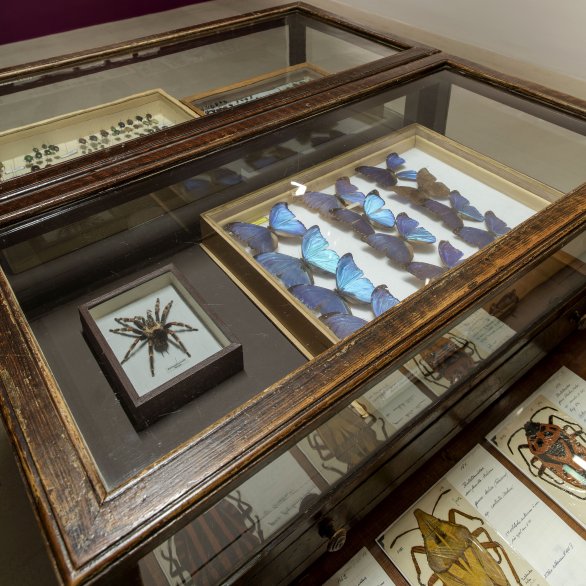
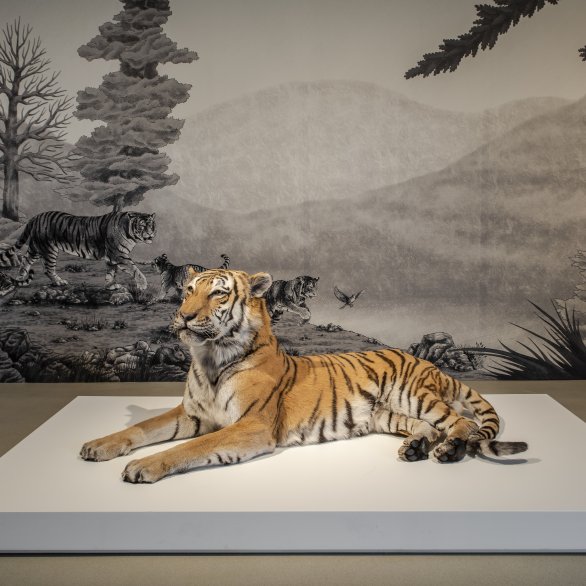
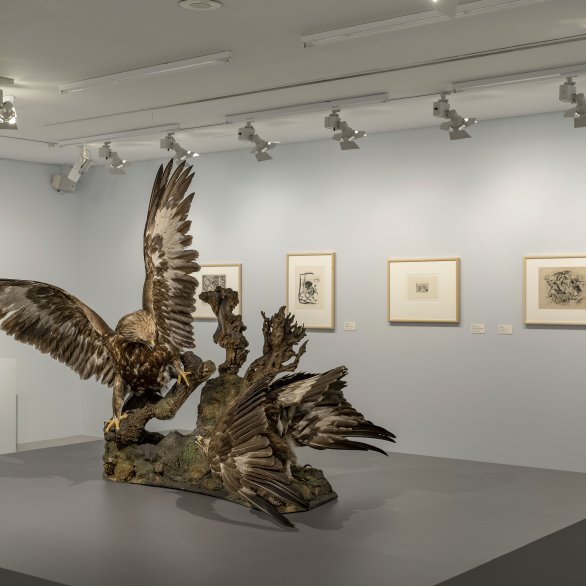
This exhibition creates a dialogue between specimens from the Zoological Museum’s natural history collections and works from the MAMCS that explore the figure of the animal.
This broadening of perspective—which gradually shifted from humans to the entire animal kingdom—began with the Enlightenment and then developed in the 18th century with the advent of zoology. Today, this new approach is flourishing in the rise of Animal Studies, ethology, animal ethics, and, more broadly, ecology. This growing awareness is reflected in the concerns of artists, who serve as privileged witnesses to the richness of biodiversity.
This exhibition creates a dialogue between specimens from the Zoological Museum’s natural history collections and works from the MAMCS that explore the figure of the animal.