Paul von Hindenburg had a political career unique in German history: During World War I, he rose from the status of a retired politician to become a decisive military leader. Not only did he emerge unscathed from the military defeat for which he bore partial responsibility; it did not stand in his way when, through a popular election in 1925, he attained the most powerful office of Germany’s first democracy—that of Reich President. Thus, the fate of Germany’s first democracy lay primarily in his hands. It was Hindenburg who, of his own free will, appointed Hitler as Reich Chancellor on January 30, 1933. Why he did this can only be explained by examining his political career since his entry into politics during World War I.
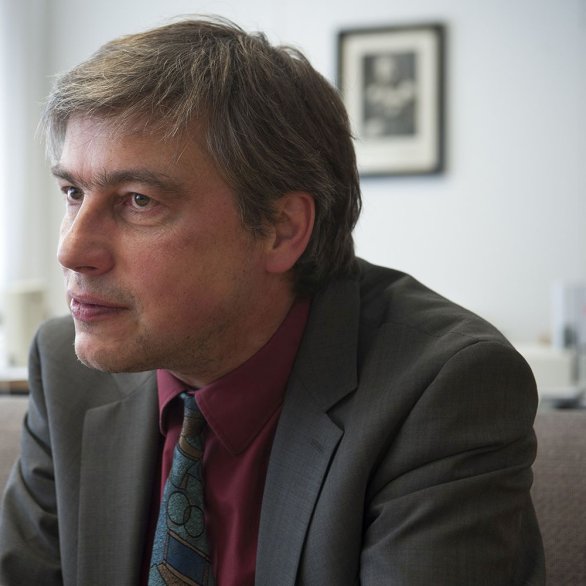
In his lecture, Prof. Dr. Wolfram Pyta does exactly that. Pyta is the head of the Department of Modern History at the History Department of the University of Stuttgart. He is the author of one of the most authoritative studies on Paul von Hindenburg.
Tickets:
€5 / €3 (reduced)
Please register at salmen@offenburg.de
This text was translated by an AI.