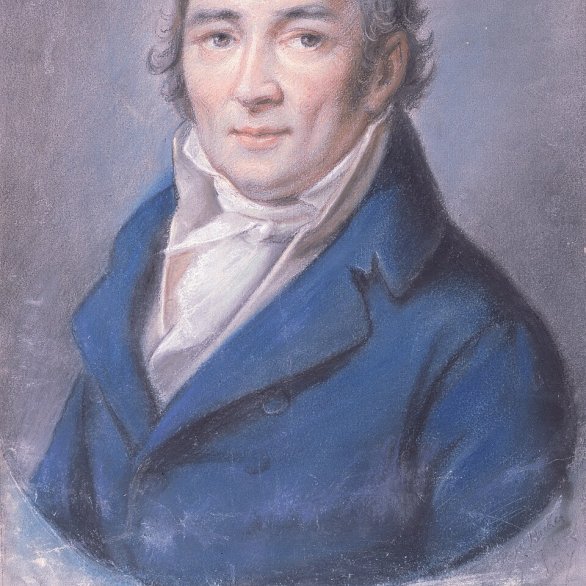
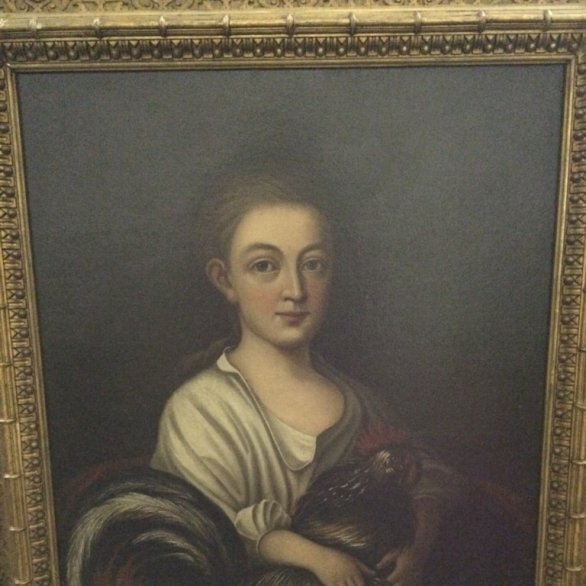
"I am reading zoology again". Johann Peter Hebel writes to his friend Carl Christian Gmelin in November 1796. Gmelin is the natural scientist at the court in Karlsruhe - he looks after the various collections and teaches at the Gymnasium Illustre. Normally. There is currently a war on, parts of the collections have been evacuated and Gmelin is in Erlangen. Meanwhile, Hebel holds down the fort in Karlsruhe: he looks after the natural objects and books left behind, gives lectures at undergraduate level (by today's standards), teaches private students. And writes. Friend Gmelin's hair must have stood on end at 'our' letter. Hebel teaches zoology "according to a plan of his own that amuses me very much". The lecture is about this plan and the question of how Hebel could have come up with it. Bible and observation of nature, collecting and systematizing, cabinets of curiosities and museums
- The end of the 18th century was a time of upheaval, in which old and new world views collided and the natural sciences we are familiar with today were only just emerging. Hebel, Gmelin and their nature-curious colleagues change the world.
- The end of the 18th century was a time of upheaval, in which old and new world views collided and the natural sciences we are familiar with today were only just emerging. Hebel, Gmelin and their nature-curious colleagues change the world.
This text was translated by an AI.