By immersing himself in African reality, Schweitzer did not simply apply European models. He developed a form of medicine tailored to his environment, based on listening to, respecting, and understanding others.
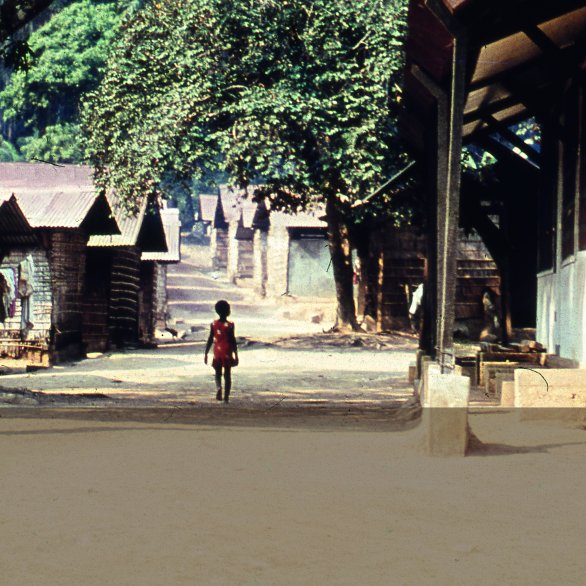
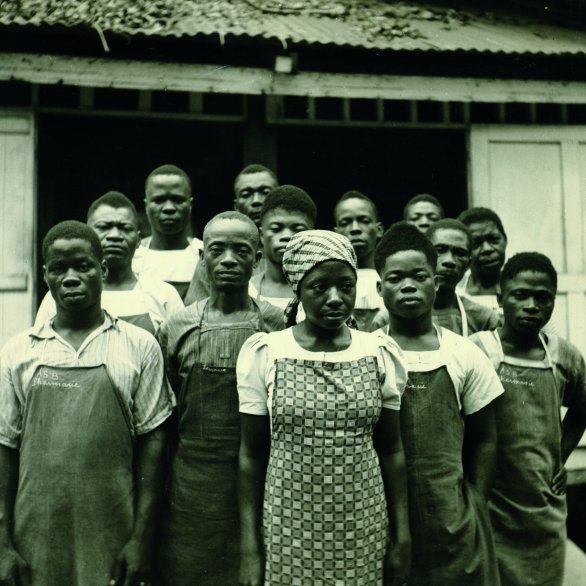
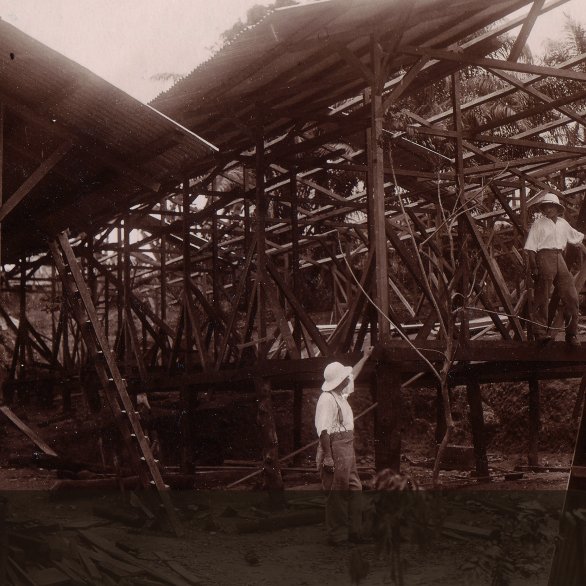
At the heart of the exhibition, Schweitzer’s hospital emerges as a place of care and trust, embodying his ethic of “respect for life,” his architectural choices, and the involvement of local communities.
More than just a tribute, the exhibition offers a reflection on the encounter between cultures and the need to adapt knowledge to its context. Continue your visit “in the footsteps of the Nobel Peace Prize laureate” and discover how Albert Schweitzer’s work and ideas still resonate today, serving as an invitation to act for a more just and humane world.
At the heart of the exhibition, Schweitzer’s hospital emerges as a place of care and trust, embodying his ethic of “respect for life,” his architectural choices, and the involvement of local communities.
More than just a tribute, the exhibition offers a reflection on the encounter between cultures and the need to adapt knowledge to its context. Continue your visit “in the footsteps of the Nobel Peace Prize laureate” and discover how Albert Schweitzer’s work and ideas still resonate today, serving as an invitation to act for a more just and humane world.