
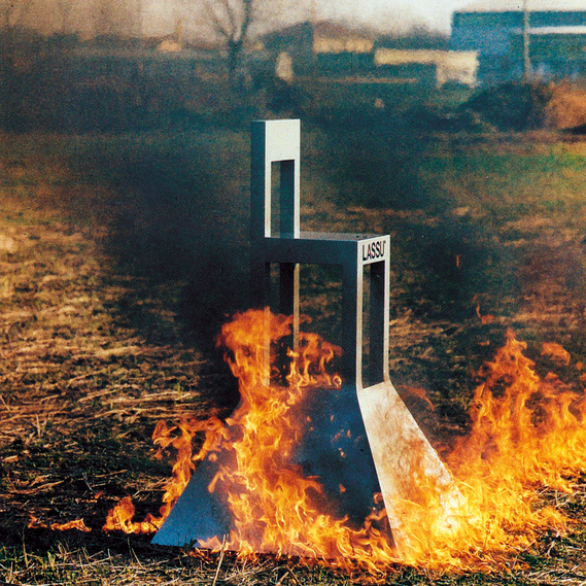
In the late 1960s, a new generation of Italian architects and designers began to challenge the conventions of Modernism and the logic of the marketplace. This was the birth of Radical Design, an avant-garde movement that used design as a tool for social critique and as a means of imagining alternative futures.
Working individually and in collectives, its protagonists pushed beyond the traditional boundaries of architecture and design. Their ideas took shape in exhibitions and installations, performances, film and photography, graphics, and publishing. Drawing substantially on the collection and archive of the Vitra Design Museum, the exhibition explores Radical Design and its role in post-war Italy. Through a wide range of works, documents, and archival material, Radical Design offers a fresh look at one of the most influential and provocative chapters in design history – and at its enduring relevance today as a reminder of design’s potential to challenge conventions, inspire new ways of thinking, and create change.
Working individually and in collectives, its protagonists pushed beyond the traditional boundaries of architecture and design. Their ideas took shape in exhibitions and installations, performances, film and photography, graphics, and publishing. Drawing substantially on the collection and archive of the Vitra Design Museum, the exhibition explores Radical Design and its role in post-war Italy. Through a wide range of works, documents, and archival material, Radical Design offers a fresh look at one of the most influential and provocative chapters in design history – and at its enduring relevance today as a reminder of design’s potential to challenge conventions, inspire new ways of thinking, and create change.


.png)