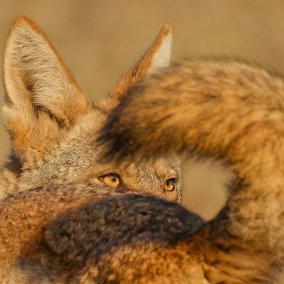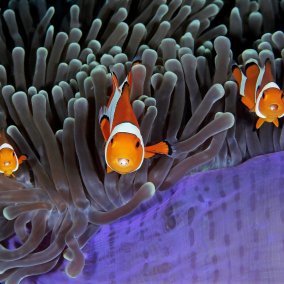
The Kruger National Park in South Africa is considered one of the last great natural savannahs on earth. In fact, flora, fauna and ecosystems are subject to constant change and their existence is threatened in parts. The conservation of biodiversity and protection of landscapes requires detailed spatial data. However, these can often only be captured incompletely using conventional methods. Drones can close this gap.
In his article, Prof. Nikolaus Kuhn presents concepts for integrating drones into earth observation and illustrates their concrete contribution using the example of the work of the Physiogeography and Environmental Change research group in Kruger National Park. Finally, he also gives an insight into the challenges of working in a national park that is famous for the "Big Five".
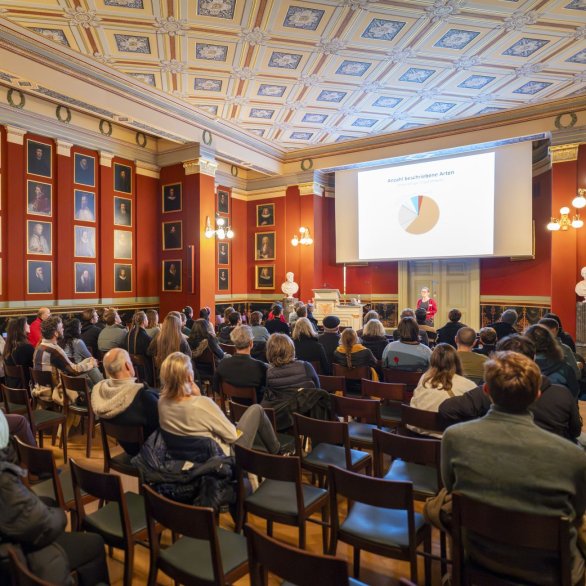
The lecture program of the Naturforschende Gesellschaft in Basel (NGiB) conveys scientific research in all its disciplines. Find out more about the passions of amateur naturalists and well-known celebrities.
The lecture series takes place once a month during the university semester.
Followed by After Hours in the museum bar.
In his article, Prof. Nikolaus Kuhn presents concepts for integrating drones into earth observation and illustrates their concrete contribution using the example of the work of the Physiogeography and Environmental Change research group in Kruger National Park. Finally, he also gives an insight into the challenges of working in a national park that is famous for the "Big Five".
The lecture program of the Naturforschende Gesellschaft in Basel (NGiB) conveys scientific research in all its disciplines. Find out more about the passions of amateur naturalists and well-known celebrities.
The lecture series takes place once a month during the university semester.
Followed by After Hours in the museum bar.
This text was translated by an AI.